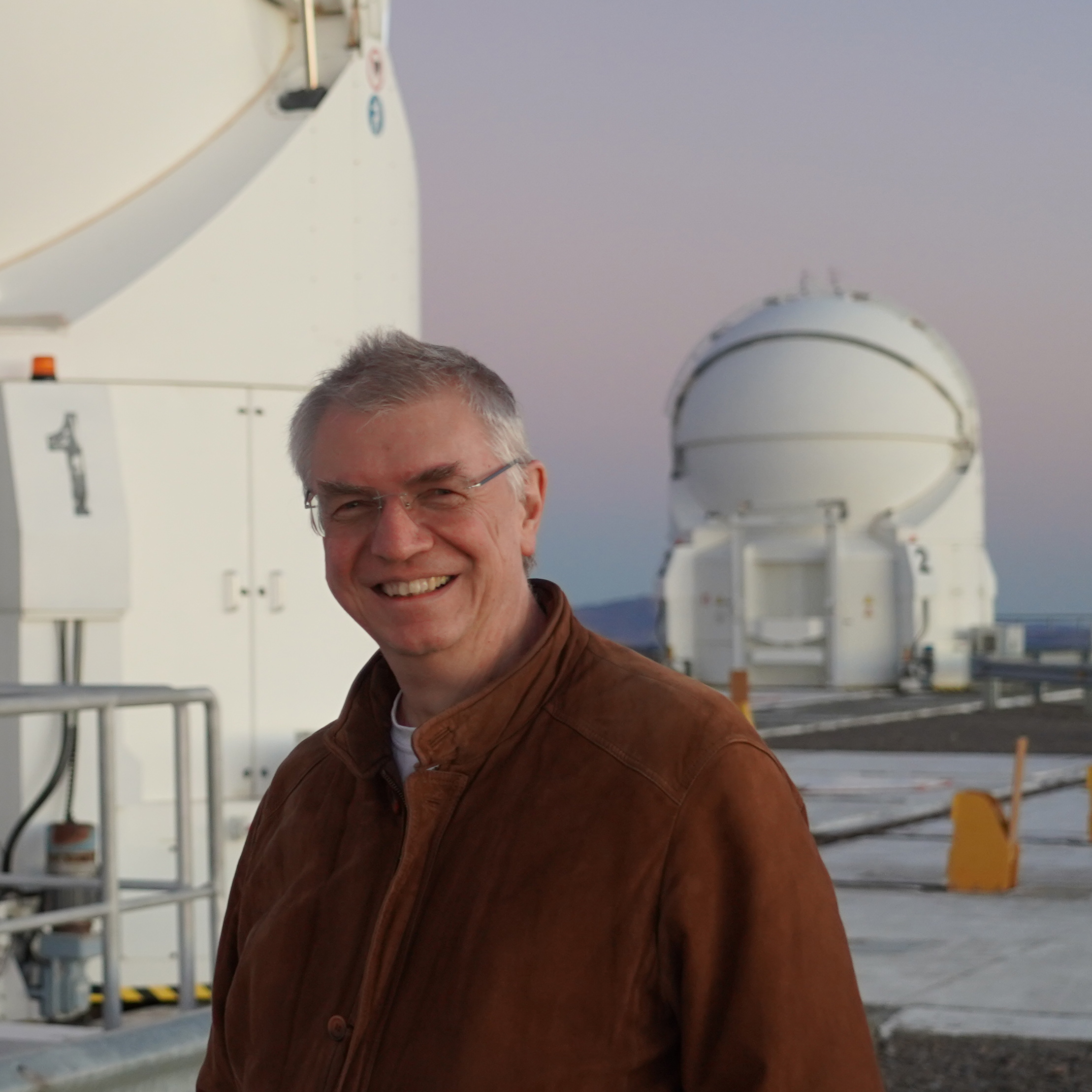
A five-day meeting on large surveys, galaxy formation, and Milky Way archaeology in recognition of Matthias Steinmetz’s contributions in these areas.
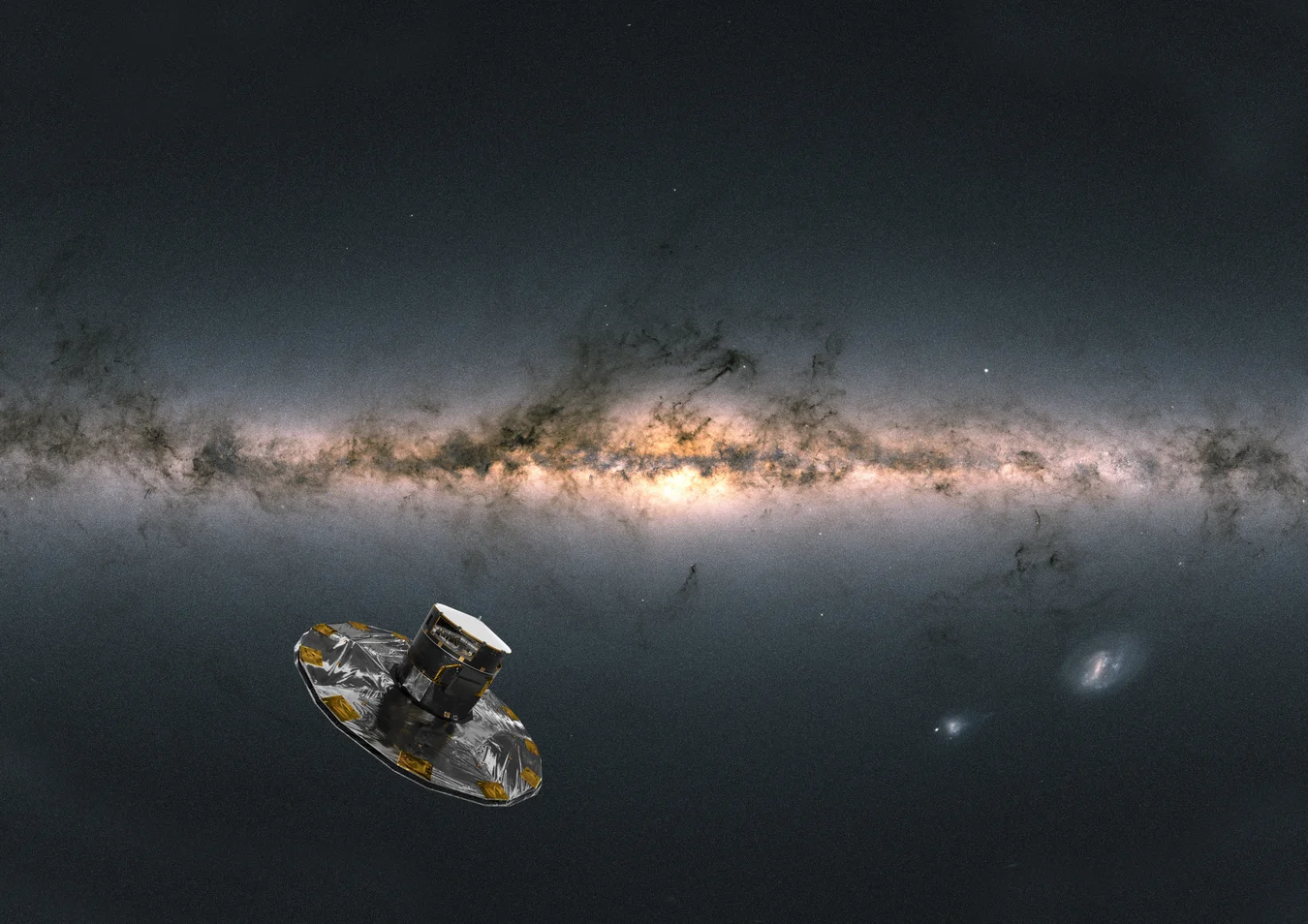
The Milky Way has become the key laboratory for understanding galaxy formation: large stellar surveys now connect chemistry and dynamics at unprecedented scale, while large-volume cosmological simulations and targeted zoom-ins increasingly place Milky Way analogs in their proper cosmological and Local-Group environment. Together with forward modeling, this makes it possible to compare theory and data in the same observable space, while keeping in mind that finite resolution and subgrid baryonic physics mean stellar populations are represented statistically rather than star-by-star.
This meeting brings together experts working across stellar surveys, galactic dynamics, chemo-dynamical modeling, and cosmological simulations to discuss where the field stands and what comes next.
Some key questions include:
-
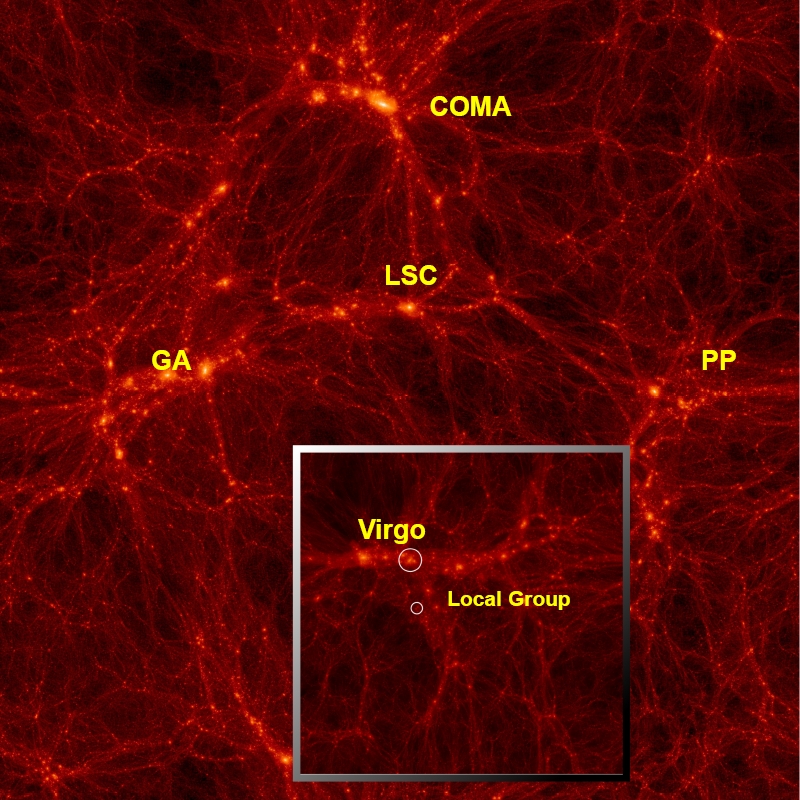
Cosmological context: How do we place the Milky Way in its proper cosmological and Local-Group environment: via constrained simulations, satellite demographics, and comparisons to MW analogs?
-
Forward modeling: How can we compare surveys and simulations in the same observable space, while accounting for selection functions, systematics, finite resolution, and subgrid baryonic physics?
-
Assembly + enrichment: What do chemo-kinematic data and stellar ages tell us about the Galaxy’s assembly and enrichment history, and where are the dominant degeneracies?
-
Non-equilibrium Galaxy: Which non-equilibrium signatures (bars/spirals, resonances, warps, perturbations) are most diagnostic of the disk’s dynamical evolution?
-
Dark matter + fossils: What can stellar halos, streams, the metal-poor record, and the satellite population tell us about early assembly and the nature of dark matter?
-
Methods at scale: How can modern inference and ML/AI improve calibration and parameter estimation at scale, while remaining physically interpretable and robust?
Organizing Committees:
SOC: Ivan Minchev (AIP), Noam Libeskind (AIP),
Amina Helmi (Groningen), Else Starkenburg (Groningen)
LOC: Claudia Schmeckebier, Kristin Riebe,
Stefanie Rübbert, Anja Cysewski, Petra Nihsen
Supported by a conference grant from the Deutsche Forschungsgemeinschaft (DFG, German Research Foundation).